
Tank vs Tankless Water Heaters: Cost and Performance Compared
Choosing between a tank and tankless water heater is one of the most common decisions homeowners face when upgrading their plumbing system. Both options have advantages, but the right choice depends on your home, your water usage, and your long-term goals.
Here is a clear breakdown of cost, performance, and what to consider before making your decision.
What Is a Tank Water Heater?
A traditional tank water heater stores and heats a set amount of water, usually between 30 and 80 gallons. Once the hot water runs out, you have to wait for the tank to refill and reheat.
Pros:
- Lower upfront cost
- Simple and reliable system
- Easier and less expensive to install
Cons:
- Can run out of hot water
- Higher energy usage over time
- Takes up more space
What Is a Tankless Water Heater?
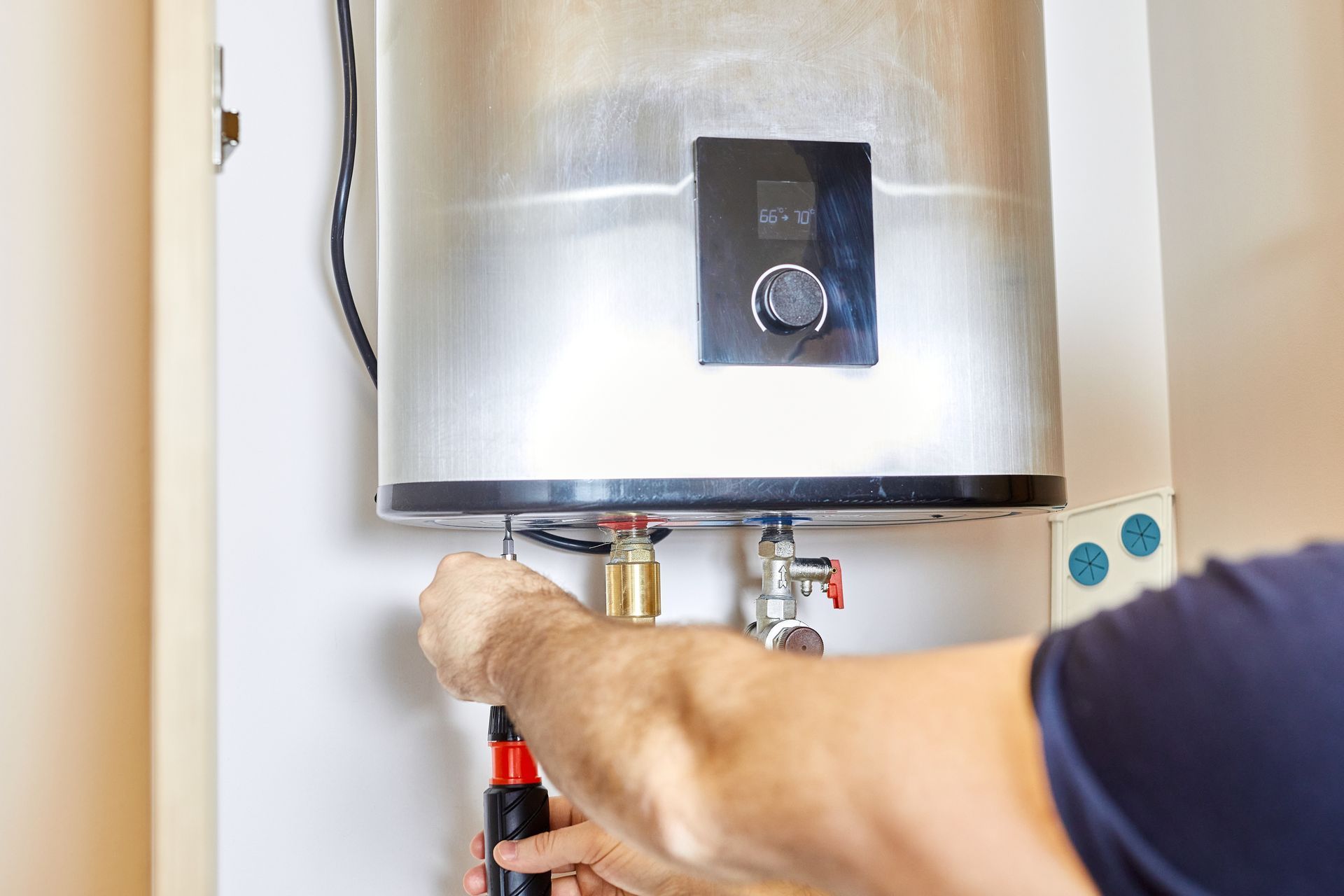
A tankless water heater heats water on demand instead of storing it. When you turn on a faucet, the system instantly heats the water as it flows through the unit.
Pros:
- Endless hot water
- More energy efficient
- Compact and space-saving
Cons:
- Higher upfront cost
- May require upgrades to electrical or gas systems
- Limited flow rate if multiple fixtures are used at once
Cost Comparison
Upfront Installation Cost
- Tank Water Heater: $1,000 to $3,000 installed
- Tankless Water Heater: $3,000 to $7,000+ installed
Tankless systems cost more initially, especially if your home needs upgrades to support the unit.
Long-Term Operating Costs
Tankless systems are more energy efficient because they only heat water when needed. Over time, this can lead to lower utility bills.
Tank systems continuously heat stored water, which can increase energy usage even when you are not using hot water.
Lifespan
- Tank Water Heater: 8 to 12 years
- Tankless Water Heater: 15 to 20+ years
Tankless units typically last longer, which can help offset the higher upfront investment.
Performance Comparison
Hot Water Supply
- Tank: Limited by tank size
- Tankless: Unlimited hot water
If your household frequently runs multiple showers or appliances at the same time, tankless can be a major upgrade.
Water Pressure and Flow Rate
Tankless systems have a maximum flow rate. If too many fixtures are running at once, you may notice reduced performance.
A properly sized tank system can handle multiple uses more consistently without flow limitations.
Energy Efficiency
Tankless systems are more efficient because they eliminate standby heat loss. This makes them a strong choice for homeowners looking to reduce energy consumption.
Which Option Is Best for Your Home?
Choose a Tank Water Heater if:
- You want a lower upfront cost
- Your household water usage is moderate
- You need a straightforward replacement
Choose a Tankless Water Heater if:
- You want endless hot water
- You plan to stay in your home long-term
- You want better energy efficiency
- You have the budget for a higher upfront investment
Why Professional Installation Matters
Whether you choose tank or tankless, proper installation is critical. Incorrect sizing, poor installation, or overlooked system requirements can lead to performance issues and higher costs down the road.
Working with an experienced plumbing company ensures:
- Proper system sizing for your home
- Safe and code-compliant installation
- Long-term reliability
Work with a Plumbing Team You Can Trust
At TLH Plumbing, we help homeowners choose the right water heater based on their needs, not just what is most expensive.
Our team will:
- Evaluate your home and water usage
- Explain your options clearly
- Provide honest recommendations
- Install your system quickly and correctly
Whether you are upgrading to tankless or replacing a traditional tank, we make the process simple and stress-free.
Get Expert Help Today
Still not sure which water heater is right for your home?
Contact TLH Plumbing today to get expert guidance and a quote you can trust. We are here to help you make the best decision for your home and your budget.
You might also like
All You Need to Know About TLH Plumbing: A Top Nashville Plumbing Company