How Hard Water Causes Plumbing Issues and Appliance Wear
Hard water is a common issue for homeowners across Tennessee, and while it may not seem like a major problem at first, it can quietly cause significant damage to your plumbing system and household appliances over time.
If you have noticed mineral buildup on faucets, dry skin after showering, or reduced water pressure, hard water may be affecting your home. Understanding how it impacts your plumbing can help you prevent costly repairs down the road.
What Is Hard Water?
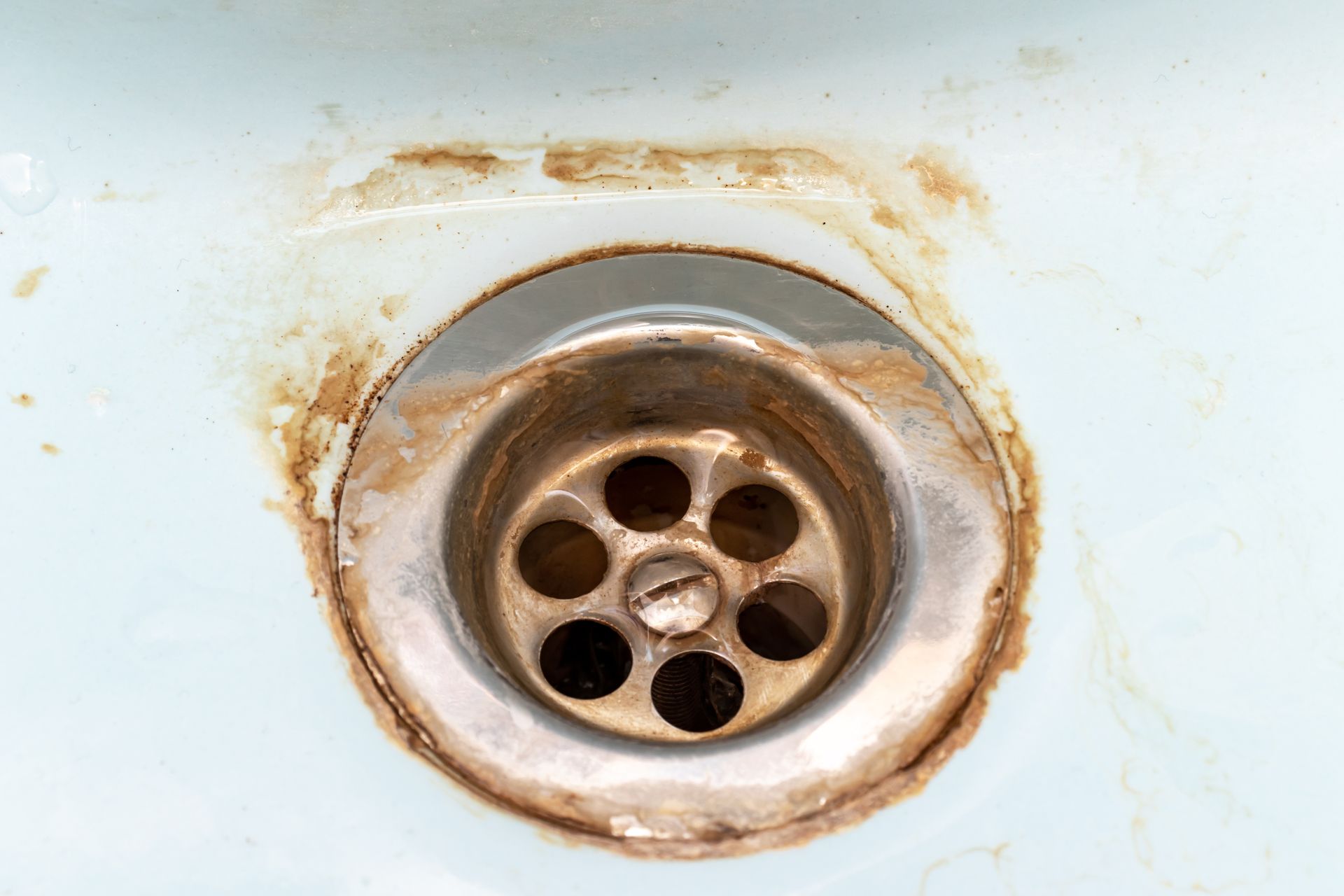
Hard water contains high levels of dissolved minerals, primarily calcium and magnesium. As water flows through the ground and into your home, it picks up these minerals from rock and soil.
While hard water is not harmful to drink, it can create serious issues inside your plumbing system and appliances.
Signs You Have Hard Water in Your Home
Many homeowners are not aware they have hard water until problems begin to show.
Common signs include:
- White or chalky residue on faucets and showerheads
- Soap scum buildup in sinks and tubs
- Spots on dishes and glassware
- Reduced water pressure
- Dry skin and dull hair after bathing
These visible symptoms often indicate mineral buildup inside your pipes as well.
How Hard Water Damages Plumbing Pipes
Over time, calcium and magnesium deposits accumulate inside your plumbing pipes. This mineral buildup, often called scale, restricts water flow and increases pressure within the system.
As scale thickens, it can:
- Reduce water pressure throughout your home
- Cause pipes to clog
- Increase the risk of leaks
- Shorten the lifespan of your plumbing system
Ignoring hard water problems can eventually lead to pipe repairs or even repiping in severe cases.
Hard Water and Appliance Wear
Hard water does not just affect pipes. It also reduces the efficiency and lifespan of water using appliances such as:
- Water heaters
- Dishwashers
- Washing machines
- Ice makers
Mineral deposits collect inside these appliances, forcing them to work harder. In water heaters, scale builds up on heating elements and the bottom of the tank, reducing energy efficiency and increasing utility bills.
Over time, this added strain can lead to breakdowns and early replacement.
How Hard Water Impacts Your Water Heater
Water heaters are especially vulnerable to hard water damage. As minerals settle inside the tank, they form a thick layer of sediment.
This buildup:
- Reduces heating efficiency
- Causes popping or rumbling noises
- Increases energy usage
- Shortens the life of the unit
Routine maintenance can help, but in areas with consistently hard water, installing a water softener is often the most effective long term solution.
Preventing Hard Water Plumbing Problems
If you suspect hard water in your home, professional testing is the first step. A licensed plumber can evaluate your water quality and recommend the right solution.
Common solutions include:
- Installing a whole home water softener system
- Flushing your water heater regularly
- Cleaning mineral deposits from fixtures
- Performing routine plumbing inspections
Addressing hard water early can help you avoid expensive repairs and extend the life of your plumbing system.
Protect Your Plumbing System With Professional Help
Hard water may seem minor, but over time it can lead to serious plumbing issues and appliance wear. Protecting your pipes, fixtures, and water heater starts with understanding the impact mineral buildup can have on your home.
If you are experiencing signs of hard water in Middle Tennessee, TLH Plumbing can help. Our team provides professional plumbing inspections, water heater service, and water softener installation to keep your system running efficiently.
Contact us today to schedule an evaluation and protect your home from hard water damage.
You might also like
All You Need to Know About TLH Plumbing: A Top Nashville Plumbing Company