DIY Tips for Unclogging Drains Safely (and When to Call a Pro)
A clogged drain is one of the most common plumbing problems homeowners face. While some clogs are simple and safe to handle on your own, others can signal a deeper issue that requires professional attention. Knowing the difference can save you time, money, and potential damage to your plumbing system.
Common Causes of Drain Clogs
Understanding what causes clogs can help prevent them in the first place. The most common causes include:
- Hair and soap buildup in bathroom drains
- Grease and food particles in kitchen sinks
- Paper products in toilets
- Dirt and debris in outdoor or floor drains
Some clogs build up slowly, while others appear suddenly. Either way, addressing them early is always best.
Safe DIY Tips for Unclogging Drains
Before reaching for harsh chemicals or tools, try these safer DIY methods.
Use Hot Water First
Pouring hot water down the drain can break down grease and soap residue. This works best for slow drains rather than completely blocked ones. Avoid boiling water if you have older pipes, as extreme heat can cause damage.
Try a Plunger
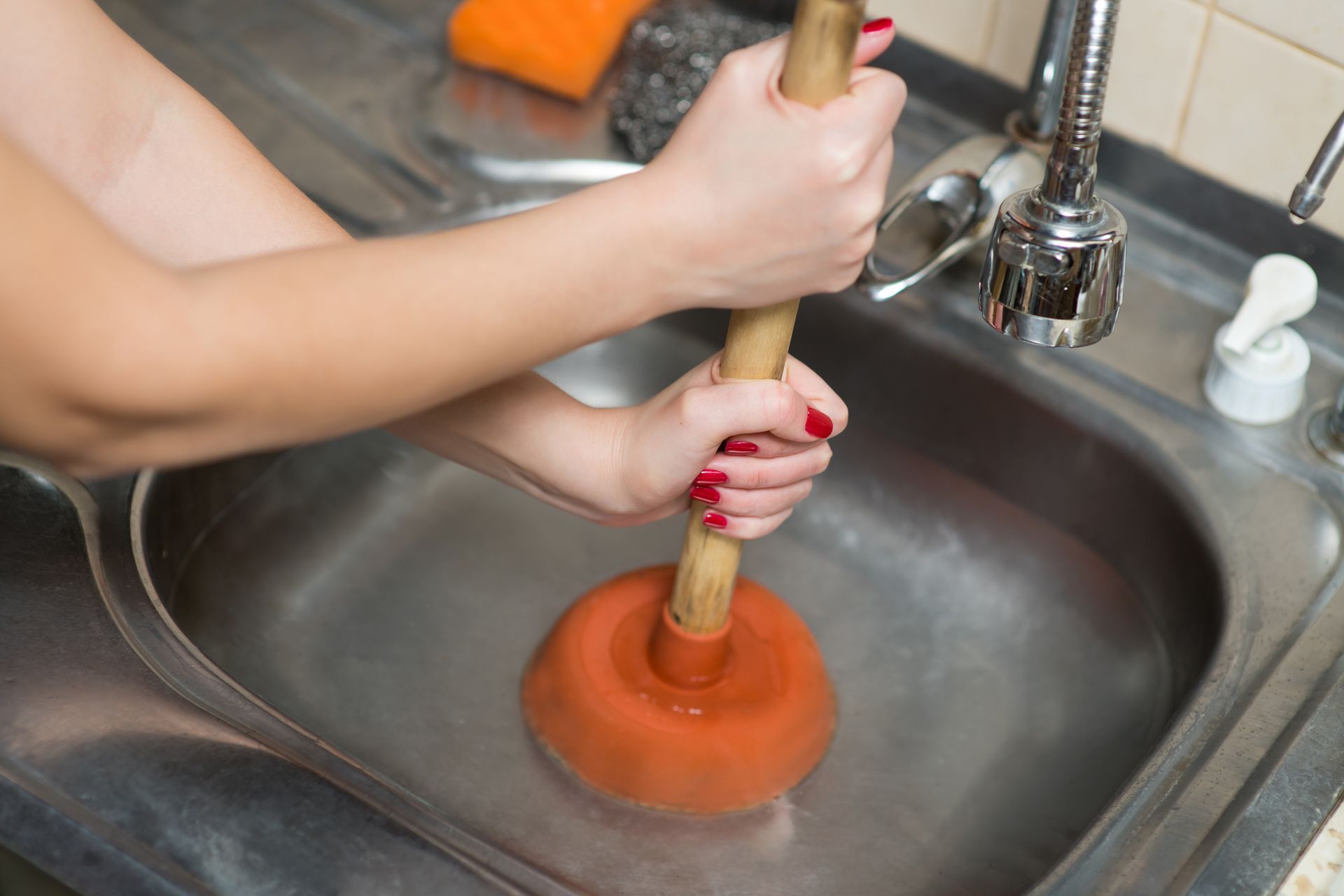
A plunger is effective for sinks, tubs, and toilets. Make sure there is enough water to create a seal, then use steady, controlled plunges. This can loosen minor clogs without damaging pipes.
Use Baking Soda and Vinegar
Pour baking soda followed by vinegar into the drain and let it sit for about 15 to 30 minutes. Flush with hot water. This natural method can help break up light buildup without introducing harsh chemicals.
Clean the Drain Trap
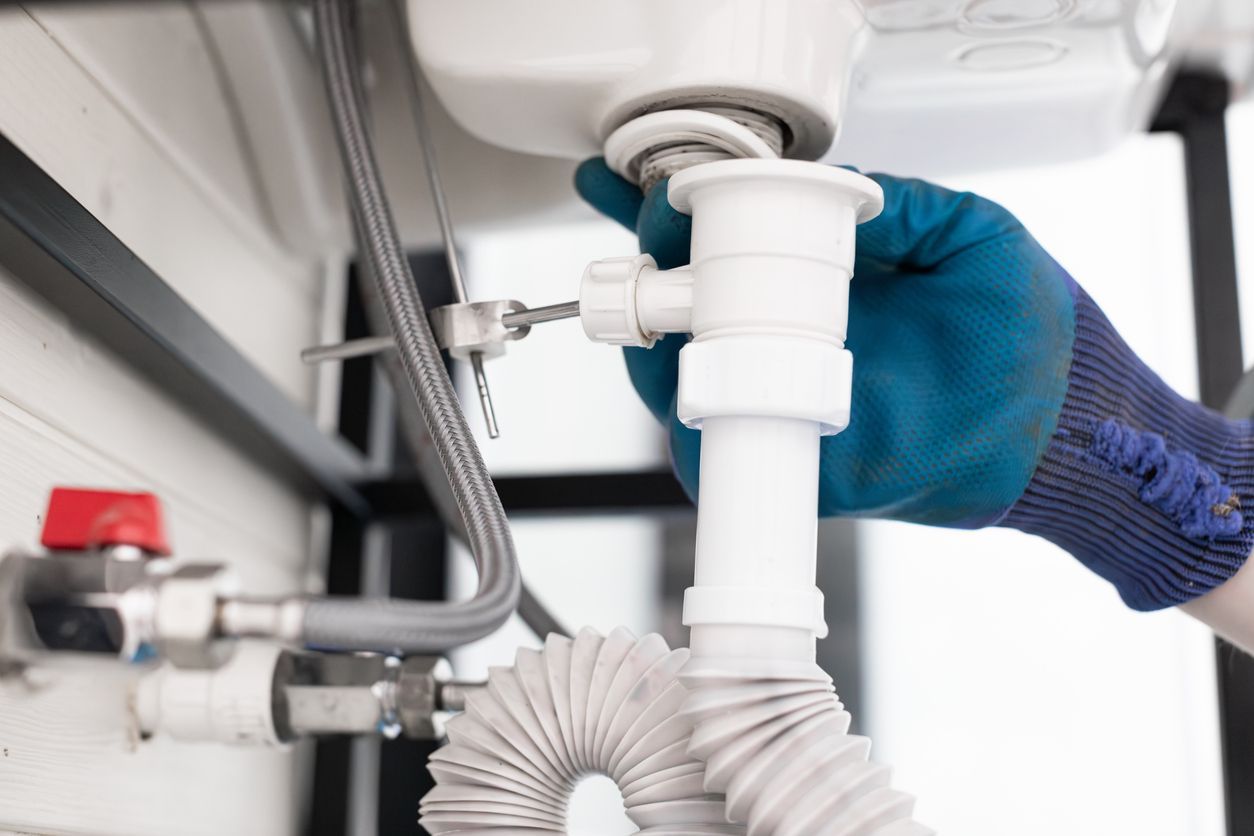
For sink drains, the clog may be in the P trap under the sink. Placing a bucket underneath and carefully removing the trap allows you to clear debris directly. Be sure to reattach it securely to prevent leaks.
Remove Hair from Shower Drains
Hair is a major cause of bathroom clogs. A drain snake or hair removal tool can safely pull out buildup near the surface of the drain.
What to Avoid When Unclogging Drains
Some common methods can cause more harm than good.
- Avoid chemical drain cleaners, as they can damage pipes and create safety hazards
- Do not mix chemicals, which can produce dangerous fumes
- Avoid forcing tools too deep into drains, which can cause pipe damage
If a clog does not clear easily, it is usually best to stop and reassess.
Signs You Should Call a Professional Plumber
DIY methods are not always enough. You should call a professional plumber if you notice:
- Repeated clogs in the same drain
- Multiple drains backing up at once
- Slow drains throughout the house
- Gurgling sounds or foul odors
- Water backing up into tubs, sinks, or toilets
These signs often indicate a deeper issue, such as a blocked sewer line or damaged plumbing.
Why Professional Drain Cleaning Matters
Professional plumbers use specialized tools like drain cameras and high powered cleaning equipment to safely remove stubborn clogs. This not only clears the immediate problem but also helps prevent future blockages and protects your plumbing system.
Final Thoughts
DIY drain unclogging can be effective for minor issues, but knowing when to call a professional is just as important. Acting early can prevent small clogs from turning into major plumbing emergencies.
If you are dealing with a stubborn clog or recurring drain problems, TLH Plumbing is ready to help with fast, reliable service.
You might also like
All You Need to Know About TLH Plumbing: A Top Nashville Plumbing Company