What Causes Burst Pipes and How to Prevent Them
Burst pipes are one of the most damaging and expensive plumbing problems a homeowner can face. A single pipe failure can cause flooding, structural damage, mold growth, and costly repairs if not handled quickly. Understanding what causes pipes to burst and how to prevent it can save you time, stress, and money.
At TLH Plumbing, we help homeowners identify risks early and protect their plumbing systems year round.
Frozen Pipes Are the Most Common Cause
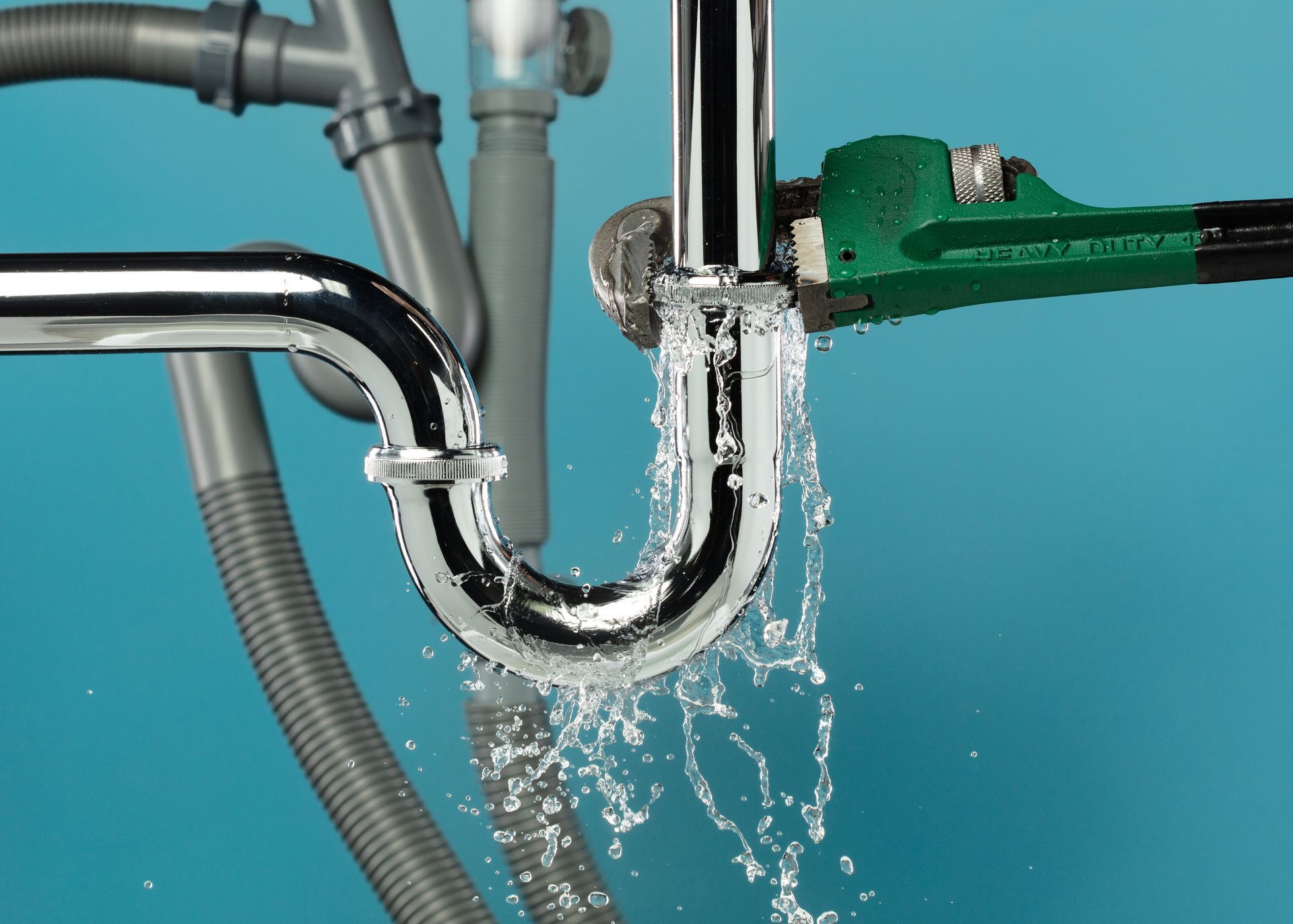
Freezing temperatures are the leading cause of burst pipes. When water inside a pipe freezes, it expands. As pressure builds, the pipe can crack or burst, often when the ice begins to thaw.
Pipes most at risk include those in unheated areas like crawl spaces, basements, garages, exterior walls, and attics. Even newer homes can experience frozen pipes if insulation or airflow is inadequate.
Aging or Corroded Pipes
Older plumbing systems are more vulnerable to failure. Over time, pipes can corrode, weaken, and develop small cracks. These weak points are more likely to burst under pressure, especially during cold weather or sudden changes in water demand.
Homes with older galvanized steel or copper piping should be inspected regularly to catch deterioration early.
High Water Pressure
Excessively high water pressure puts constant strain on your plumbing system. While pipes are designed to handle pressure, levels that are too high can cause joints to fail or pipes to rupture.
Many homeowners are unaware their water pressure is too high until a pipe bursts or a fixture fails. A professional pressure check can help prevent unexpected damage.
Poor Installation or Improper Repairs
Pipes that were installed incorrectly or repaired using substandard materials are more likely to fail. Loose fittings, improper sealing, or incorrect pipe sizing can lead to leaks and bursts over time.
Professional installation and repairs ensure your plumbing system is built to handle daily use and seasonal changes.
Blockages and Ice Dams
Clogs caused by grease, debris, or mineral buildup can restrict water flow and increase pressure inside the pipe. In winter, ice blockages can form and trap water, raising the risk of a burst.
Routine drain cleaning helps keep pipes clear and reduces internal pressure.
How to Prevent Burst Pipes
Insulate Exposed Pipes
Adding insulation to pipes in vulnerable areas is one of the most effective ways to prevent freezing. Pipe insulation sleeves are affordable and provide critical protection during cold weather.
Keep a Steady Indoor Temperature
Maintain consistent indoor temperatures, even when you are away from home. Letting a house get too cold increases the risk of frozen pipes, especially overnight.
Let Faucets Drip in Freezing Weather
Allowing a slow drip during extreme cold helps relieve pressure and keeps water moving, reducing the chance of freezing.
Disconnect Outdoor Hoses
Remove garden hoses and shut off exterior water lines before winter. Outdoor faucets are a common source of frozen and burst pipes.
Schedule a Plumbing Inspection
A professional inspection can identify weak points, aging pipes, insulation gaps, and pressure issues before they become emergencies.
Know Where Your Main Water Shutoff Is
If a pipe does burst, shutting off the water quickly can significantly limit damage. Make sure everyone in the household knows where the main shutoff valve is located.
Call TLH Plumbing Before a Small Problem Becomes a Big One
Burst pipes can happen quickly, but many are preventable with proper maintenance and early detection. TLH Plumbing provides expert inspections, repairs, and emergency service to help protect your home and plumbing system.
If you are concerned about freezing temperatures, aging pipes, or water pressure issues, contact TLH Plumbing today. Our experienced team is ready to help keep your plumbing safe and reliable year round.
You might also like
All You Need to Know About TLH Plumbing: A Top Nashville Plumbing Company