How Do You Know When Your Septic Tank Is Full?
If your home has a septic system, you probably don't think much about what's happening underground until something starts to seem off. Maybe your drains are moving slower than usual, you're noticing an unpleasant smell outside, or your toilet isn't flushing quite right.
These can all be warning signs that your septic tank needs attention.
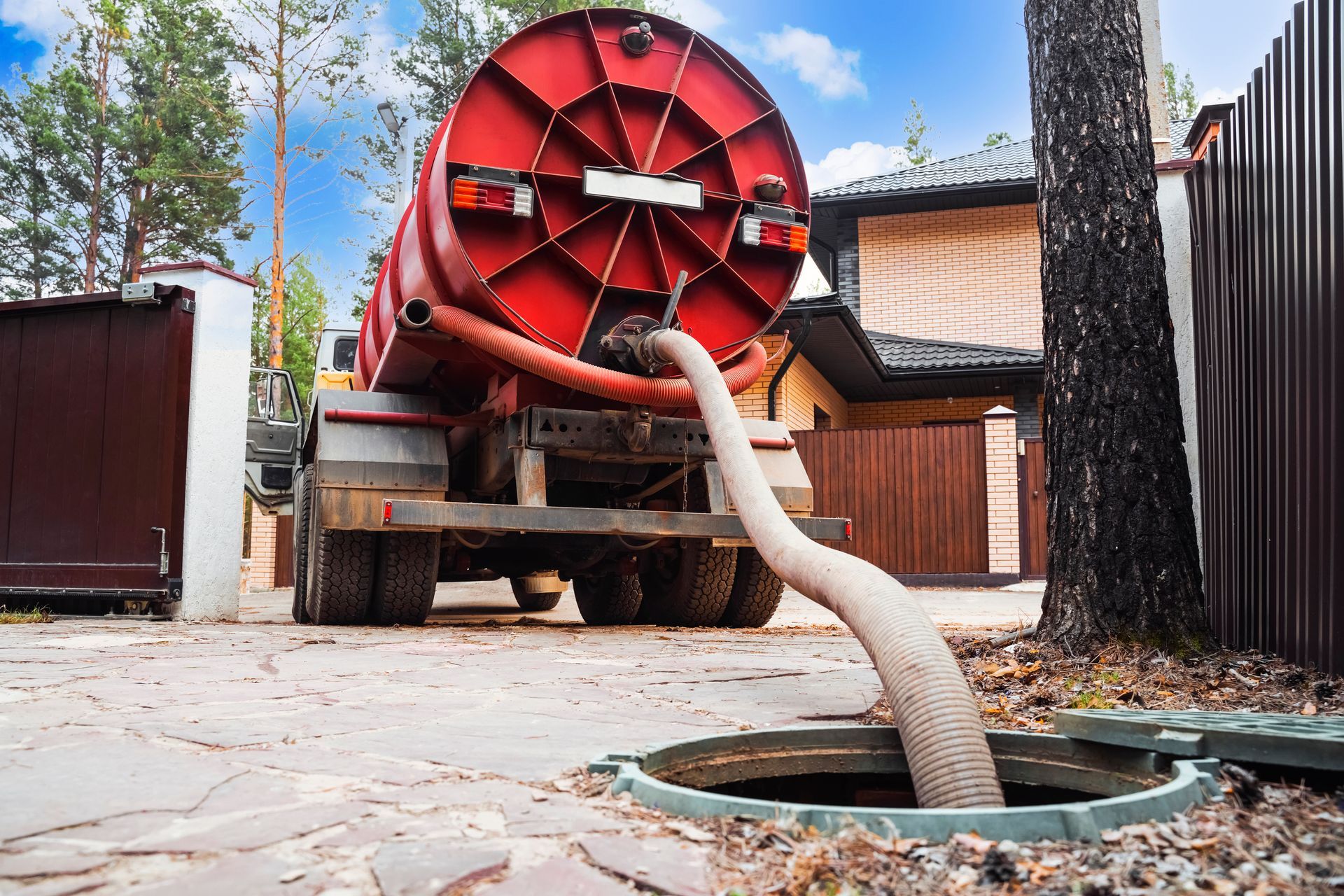
Knowing how to recognize the signs of a full septic tank can help you schedule septic pumping before you end up dealing with sewage backups, overflowing wastewater, or other messy plumbing problems.
Here are some of the most common signs to watch for.
1. Your Drains Are Getting Slower
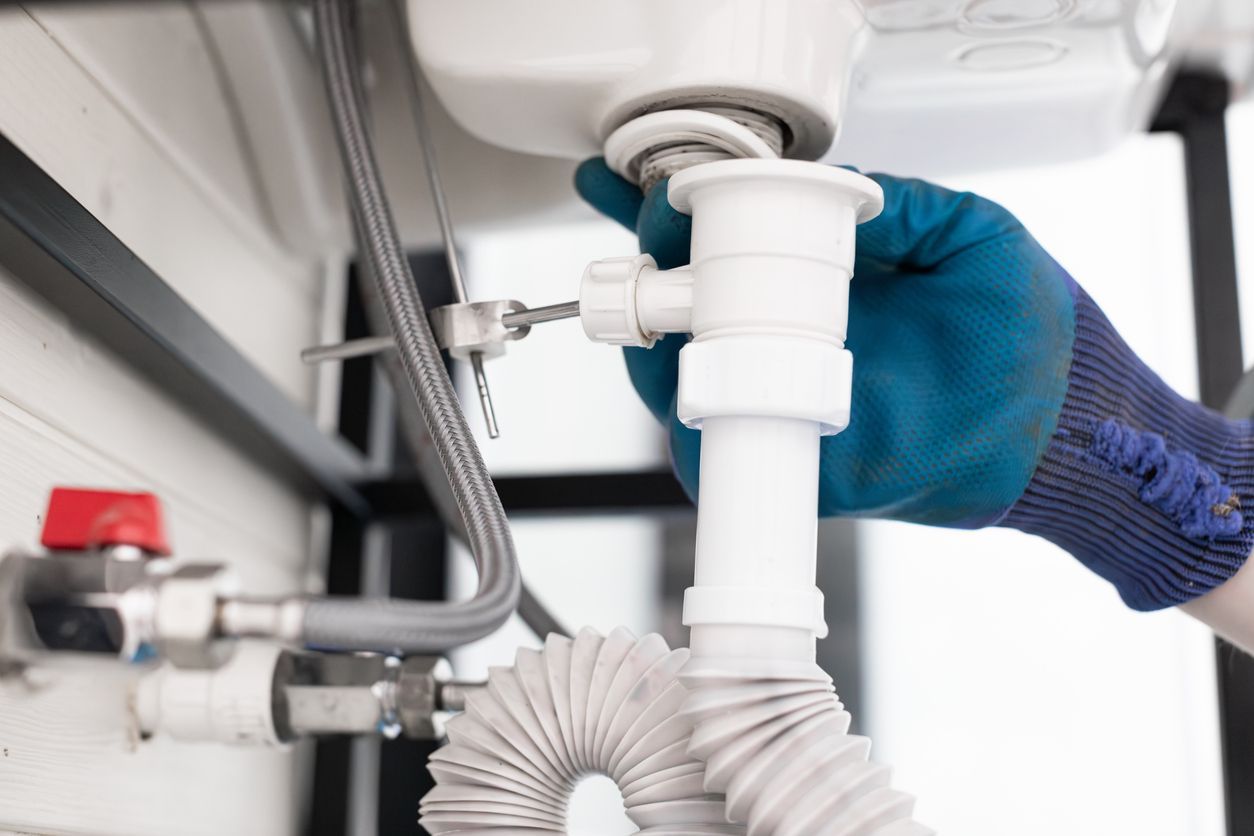
One of the first things you may notice is water taking longer to drain from your sinks, showers, or tubs.
A single slow drain could simply be a clog in that particular fixture. But if several drains throughout your home suddenly seem slower than normal, your septic system could be part of the problem.
If plunging or clearing an individual drain doesn't solve the issue, it may be time to have your septic system checked.
2. Your Toilets Are Slow to Flush
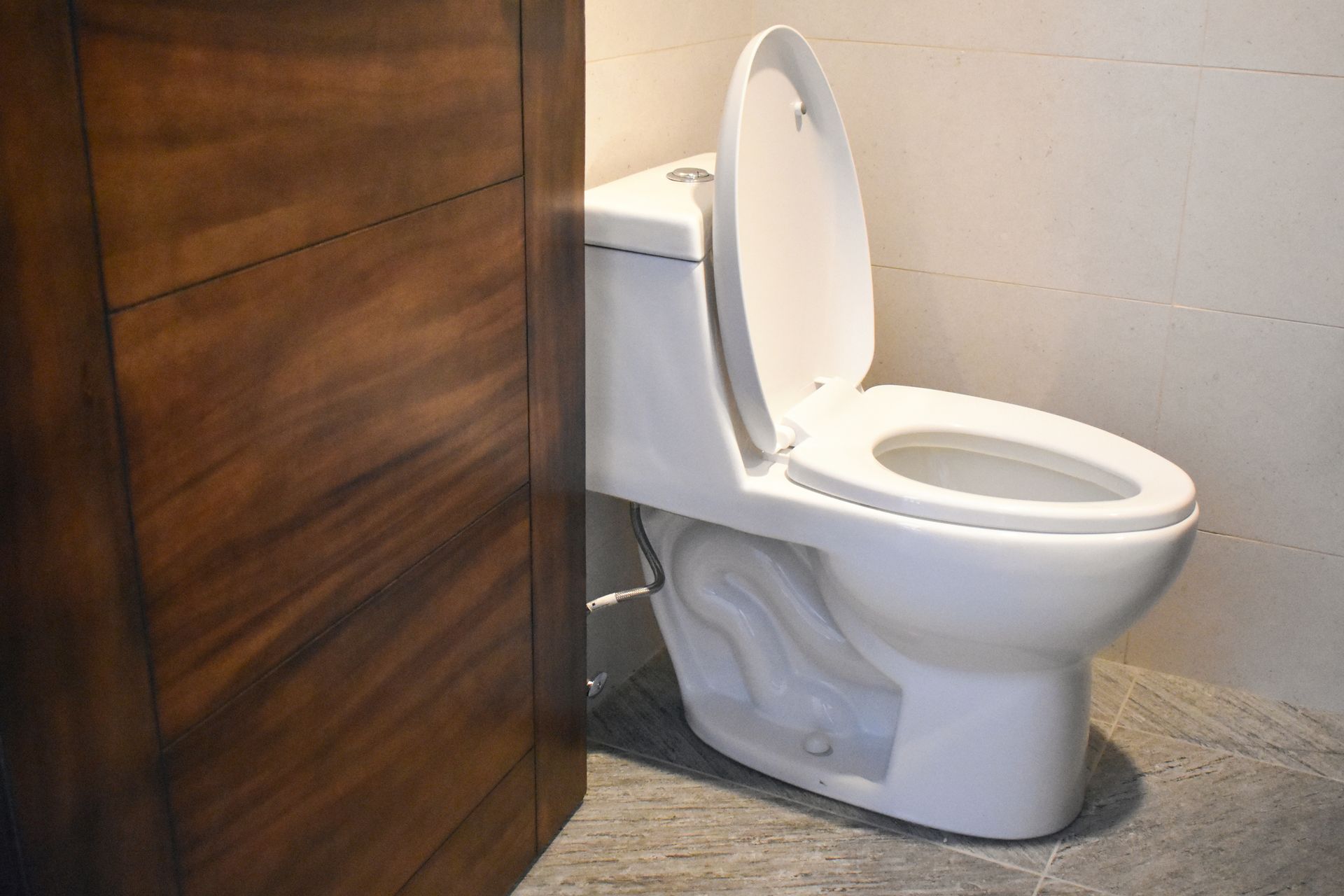
A toilet that suddenly struggles to flush can also indicate a septic problem, particularly when more than one toilet is affected.
You might notice the water draining slowly, the bowl filling differently than usual, or the toilet requiring multiple flushes.
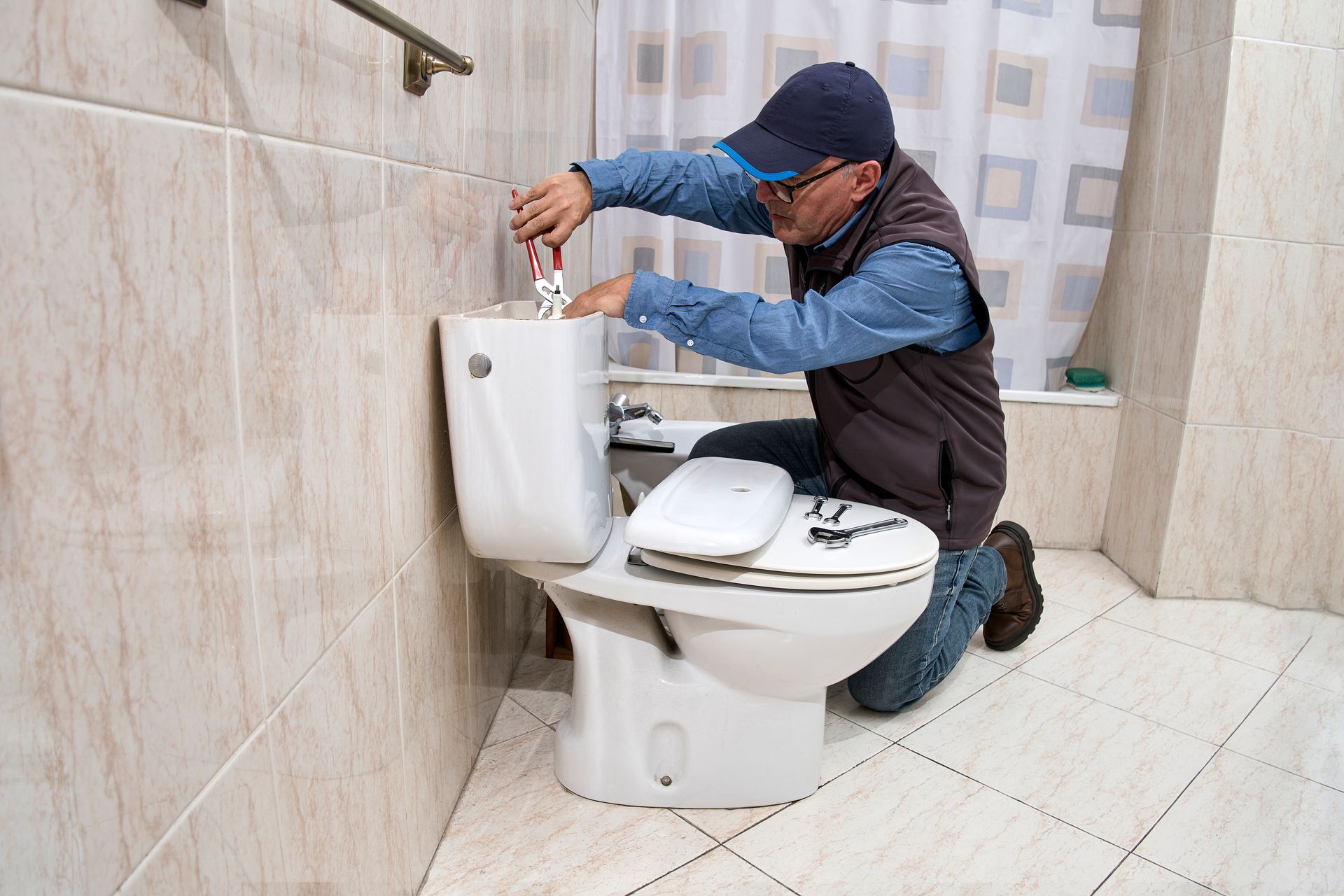
While toilet problems can have several causes, widespread drainage issues throughout your home are a good reason to have a plumber investigate.
3. You Hear Gurgling From Your Drains
Are your sinks, showers, or toilets suddenly making strange gurgling sounds?
Gurgling can happen when air becomes trapped in your plumbing system as wastewater struggles to move through the pipes. If you're hearing gurgling from multiple fixtures, especially while another fixture is draining, it could indicate a larger drainage or septic issue.
4. You Notice Sewage Odors
A properly functioning septic system shouldn't leave your home or yard smelling like sewage.
If you begin noticing strong sewage or rotten-egg odors around drains, toilets, your yard, or the area where your septic tank is located, don't ignore them.
Odors can indicate that the septic system isn't handling wastewater properly and should be inspected.
5. There's Standing Water Near Your Septic Tank or Drain Field
Unexplained standing water or unusually soggy ground around your septic system can be another warning sign.
If your septic tank is too full or the system isn't properly processing wastewater, excess water may begin surfacing around the tank or drain field.
This is especially concerning when the weather has been relatively dry and there's no obvious reason for the ground to be saturated.
Avoid walking through or coming into contact with standing water around a septic system, as it may contain untreated wastewater.
6. The Grass Around Your Septic System Is Suddenly Greener
A patch of unusually green or fast-growing grass might seem like a good thing, but if it's directly over your septic tank or drain field, it can indicate a problem.
Extra moisture and nutrients from wastewater can cause grass in that area to grow faster or appear greener than the rest of your lawn.
If you notice this along with odors, slow drains, or soggy soil, it's worth having your septic system checked.
7. Sewage Is Backing Up Into Your Home
This is one of the clearest signs that something is wrong.
If wastewater or sewage begins backing up through a toilet, shower, tub, or floor drain, stop using water in your home and contact a professional as soon as possible.
Continuing to run sinks, showers, toilets, washing machines, or dishwashers can add more wastewater to the system and potentially make the backup worse.
How Often Should a Septic Tank Be Pumped?
There isn't one pumping schedule that works for every household.
How often your septic tank needs to be pumped depends on factors such as:
- The size of your septic tank
- The number of people living in your home
- How much water your household uses
- The amount of wastewater and solids entering the system
- The condition and age of your septic system
Rather than waiting until you experience a backup, routine septic inspections and pumping can help you stay ahead of problems.
Can You Tell If a Septic Tank Is Full Without Opening It?
The warning signs around your home can tell you that something may be wrong, but they can't confirm exactly what's happening inside the tank.
Slow drains, odors, gurgling, and standing water can also be caused by clogged pipes, damaged sewer lines, drain field problems, or other plumbing issues.
A professional septic inspection is the best way to determine whether your tank needs to be pumped or another part of your system needs attention.
What Happens If You Don't Pump a Full Septic Tank?
Waiting too long can turn a routine septic service into a much bigger problem.
As solids continue to build up, your septic system may become less effective at handling wastewater. Eventually, you could experience backups inside your home, wastewater surfacing outside, drain field problems, or damage to other parts of the septic system.
Scheduling routine septic pumping is much easier than dealing with an overflowing septic system.
Think Your Septic Tank Might Be Full?
Don't wait for sewage to start backing up before having your septic system checked.
TLH Plumbing provides professional septic pumping and plumbing services throughout Middle Tennessee. If you're dealing with slow drains, unusual odors, gurgling fixtures, standing water, or other signs of a septic problem, our team can help determine what's going on and recommend the right next step.
Think it's time to have your septic tank pumped? Contact TLH Plumbing today to schedule septic service in Middle Tennessee.
You might also like
All You Need to Know About TLH Plumbing: A Top Nashville Plumbing Company